
Electronics
Wireless Scanners: A Helpful Guide to Choosing the Right Model

A barcode reader is an indispensable device for increasing efficiency and saving time for a multitude of industries, including retail, logistics, health care, manufacturing and more. If you work in a busy warehouse and manage its stock, manually entering data becomes an incredibly disorganised process. Even an incorrect key press messes up the whole system, making customers upset and wasting hours searching for lost items.
What are Wireless Barcode Scanners?
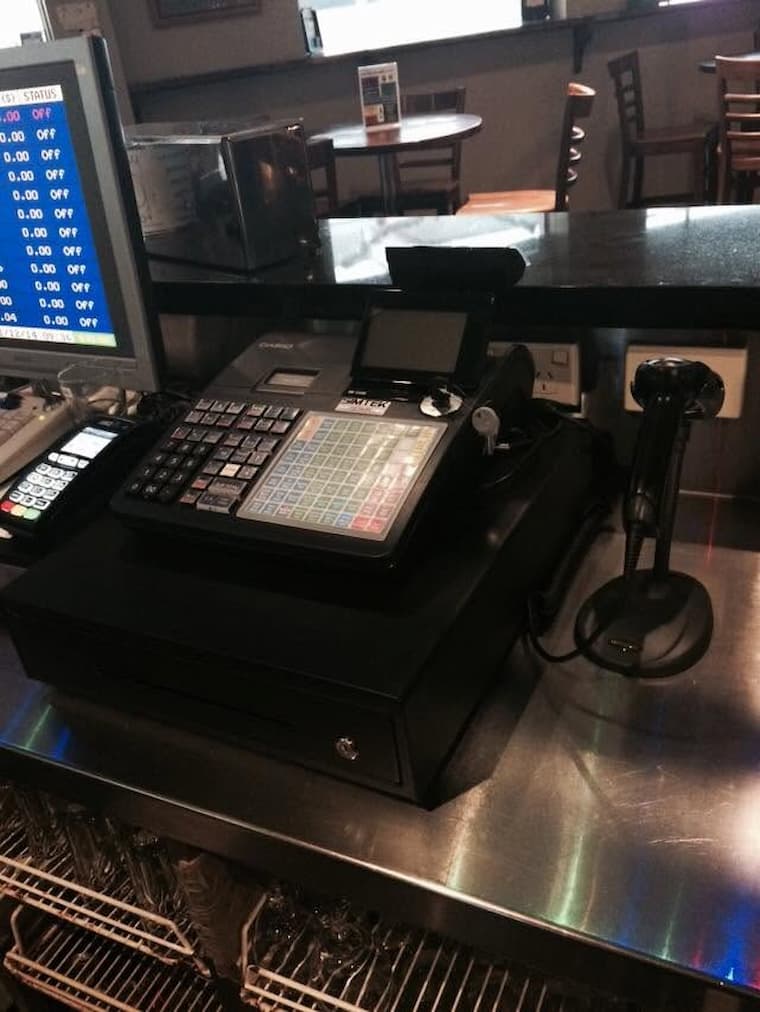
Wireless barcode scanners are essentially mobile devices used to read and interpret information contained in barcodes. While traditional wired barcode scanners stay plugged into a computer, the wireless variety uses radio waves or Bluetooth to transmit to the database. All you need to do is scan a code in a matter of milliseconds, and the scanner transmits this information right to your software program.
Quality wireless barcode scanners come in different shapes to fit different needs. There are classic handheld gun-type scanners with a convenient trigger to hold; there are pocket-size scanners compatible with tablets and other electronics, and there are ring scanners that mount to your finger to keep both hands free.
Through the removal of the actual cable, tools redefine the way in which your employees engage with inventory. Rather than physically moving items into the area of the computer monitor, your employees take the scanner to the item itself. This freedom provides new levels of flexibility in monitoring over very large areas.
Features
Wireless scanners have many technical characteristics. The important factor here is the scanning mechanism, which can be a laser or a 2D imager. The scanners with a laser scanning engine are used for reading linear 1D barcodes by means of a red light ray.
In the case of 2D imager scanning engines, the code is scanned during the fast photographing procedure, and therefore, these types of devices can process not only linear codes but also complex 2D codes, such as QR codes, as well. What is more, the great advantage of 2D imager scanners is the ability to scan codes from all angles and to photograph codes straight from the lit screen of a smartphone or PC monitor.
The next important characteristic of wireless scanners is battery capacity. The professional models have lithium-ion batteries and can run for more than fourteen hours non-stop. Some scanners are equipped with an automatic charger in the form of a cradle, whereas others are charged via a USB cable.
Benefits
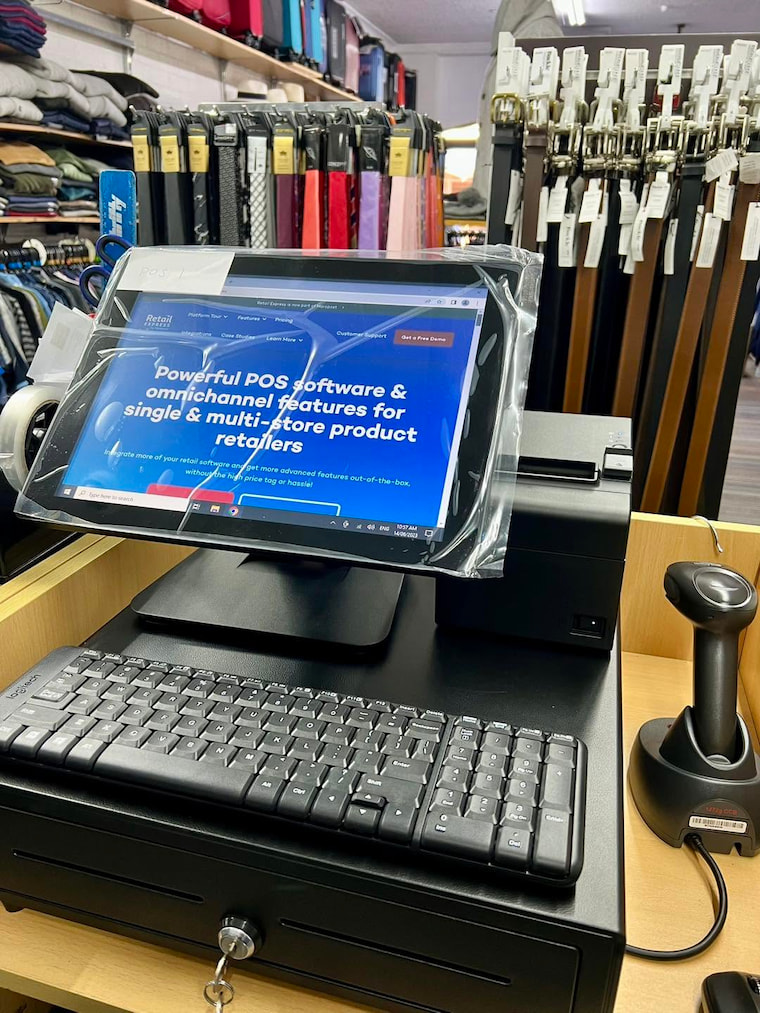
The first advantage that you’ll get from using the cordless scanner technology is how amazingly efficient it makes you. Reducing the scanning time by just two seconds per scan may not seem like anything much to you, but consider the time saved when dealing with thousands of products. The staff will be able to move swiftly along the warehouse aisle and through the endless queues at the checkout counters.
Your safety and organisational standards will greatly improve as you remove all those cables that may create a tripping hazard for you and clutter the place. The cable system is one of the weakest links in the chain of regular scanners. The use of cordless equipment will significantly reduce your maintenance costs.
Additionally, cordless equipment is great for increasing the accuracy of your data. As the tool automatically captures the required data, there won’t be any transcription errors, meaning your stock will always be up-to-date. It is safe to say that the data captured by these tools is impeccable.
How to Choose
Selecting the most suitable scanner depends on the evaluation of the particular working environment and the codes you use daily. For a company that needs nothing standard retail tags in the form of a clean paper label, an affordable 1D laser scanner will do the trick. Yet, for those who need to scan digital tickets from customers’ phones or QR codes, a durable 2D imager is a wise decision.
Then, there is the matter of the physical environment of your business. For clean indoor environments, such as a retail counter or a school library, you should choose light, ergonomically designed scanners. When you buy a device for an industrial environment, your attention needs to be drawn to the IP rating for dust and moisture resistance and drop resistance certification.
At last, pay careful attention to your workers’ needs. Determine the physical distance between your scanners and the terminal of your workers. If the distance is short enough, the Bluetooth connection is perfect. For those who work in territories and need to track the movement of stock, you need a scanner with extended range options or internal batch memory.
Using the best wireless barcode scanner can be a wonderful way to improve your processes, make life easier for your employees, and keep your company safe from human errors. Freeing yourself from the confines of wires will allow your team to work better and more safely.
When making your choice, balance cost and durability depending on your workspace. Choose dependable brands that offer excellent warranties, have comfortable handles, and have long-lasting batteries.