Industry
A Buyer’s Guide to Choosing Wood Gap Filler for Home Repairs

Wood surfaces are prone to wear, damage, and natural imperfections over time, from small cracks to larger gaps. Whether renovating furniture, restoring floors, or fixing cabinetry, timely wood repair is key to maintaining the structural integrity and aesthetic of the item. Ignoring these issues can lead to further deterioration and even safety risks in some cases. With the right materials and techniques, wood repairs can be made to look near flawless, blending seamlessly with the original surface.
Understanding Wood Gap Filler
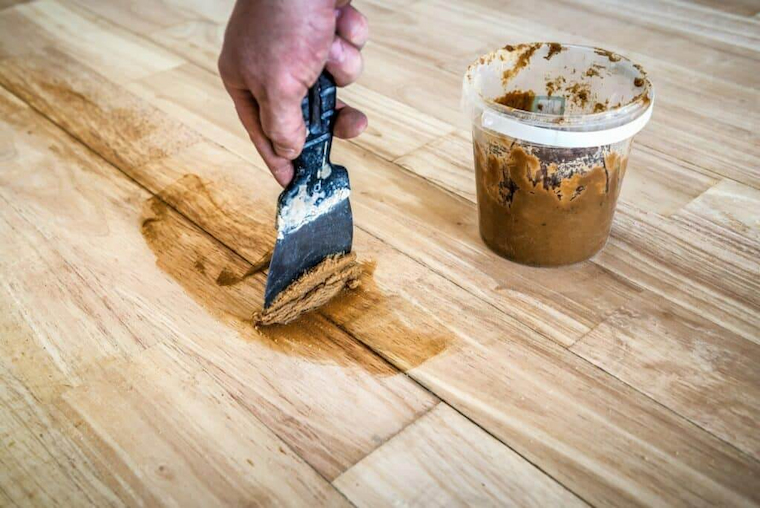
Wood gap filler is an indispensable tool for addressing imperfections such as cracks, knots, or uneven joints in timber surfaces. This versatile product comes in various forms designed to fill gaps that are too wide for typical wood fillers and too narrow for structural repair compounds. It effectively smooths surfaces, providing a clean base for sanding, staining, or painting, and ensures that finishes lay evenly without imperfections.
Choosing the appropriate wood gap filler depends heavily on the specific characteristics of the project. Its main role includes not just filling the breach but also preventing further moisture intrusion, which can warp or damage wood further. The product is formulated for easy application and quick drying, allowing users to complete repairs efficiently. Wood gap filler often remains slightly pliable after curing, which is useful for surfaces exposed to changing temperatures or slight movement. This flexibility, combined with ease of sanding and colour matching, makes it ideal for both amateur DIYers and professional carpenters alike.
How to Select and Use Wood Gap Fillers for Every Need
Choosing the right wood filler involves understanding the material properties and how they align with the demands of the repair. Factors such as the size and depth of gaps, the type of wood, exposure to elements, and whether the surface will be painted or stained all influence the decision.
Fillers come in forms ranging from wax-based to solvent or water-based putties. Wax fillers typically offer good colour match options and are highly workable, but may not be suitable for deep or structural gaps due to their softness. Putty-style fillers tend to dry harder and hold up better where durability is a priority. Several formulations also include sanding ease and stain acceptance as key features, allowing users to achieve an invisible finish on wooden surfaces.
That is why purchasing a quality wood gap filler ensures a seamless finish and long-lasting results, making it a smart investment for anyone looking to maintain or restore timber effectively.
In addition to knowing which filler suits your particular repair, mastering the application technique enhances the final result. Preparation is crucial; cleaning out any loose debris or old filler enables better adhesion. Using a putty knife or a similar tool, apply the filler generously, pressing it firmly into the gap, avoiding air pockets, which can weaken the repair. After drying, sanding the repaired area smooth ensures it blends with the surrounding wood and accepts your finish evenly.
Wood repairs not only restore appearance but also prevent pests like termites from invading weakened wood. Properly filling the gaps blocks entry points and safeguards furniture and structures. This preventative step extends the life of wooden items, keeping them strong and pest-free over time.
Beyond traditional fillers, some related products serve complementary purposes. For example, filler sticks or wax-based options suit very fine crack repairs or cosmetic tweaks, while more substantial repair compounds address larger or load-bearing flaws. Combining these offerings allows for tailored solutions depending on the severity and location of the damage. Experience suggests that using a compatible filler system helps maintain the overall uniformity of repairs, especially when multiple treatments are necessary on one piece.
Materials and Benefits Behind Effective Fillers
High-quality wood fillers are engineered with a combination of resins, fillers, and binders tailored to mimic the characteristics of natural wood. Common ingredients include cellulose fibres, calcium carbonate, and synthetic polymers that add strength and flexibility. These components ensure the filler bonds tightly with wood fibres while providing resistance against cracking and shrinking through seasonal humidity changes.
The benefits extend to ease of use, drying speed, and finish fidelity. Advanced fillers accept stains and paints smoothly, allowing the repaired area to blend naturally with the surrounding timber without obvious colour differences or texture mismatches. This is particularly important for hardwood floors or fine furniture where aesthetics are paramount.
Moreover, good fillers contribute to the longevity of repairs by sealing the wood against moisture ingress, a major cause of wood rot and damage. Their capacity to withstand minor wood movements reduces the need for frequent maintenance.
Practical Tips for Wood Gap Filler Success
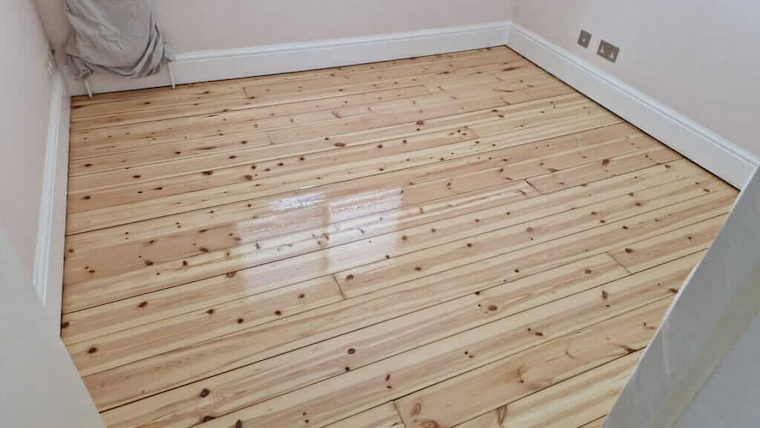
Achieving professional-quality wood repairs is a combination of choosing the right product and applying it correctly. Some key tips include:
1. Always assess the size and depth of the gap before selecting a filler type to avoid inadequate repairs that may fail prematurely.
2. For larger gaps, consider layering filler in stages, allowing each layer to dry before applying the next, to prevent cracking and sinking.
3. Use a damp cloth to smooth the surface immediately after application to reduce sanding time and refine the texture.
4. Sand with progressively finer grit paper to avoid scratches that show through finishes.
5. When staining, test the filler on a scrap piece or an inconspicuous area first, as some fillers may absorb stain differently than natural wood.
6. Store leftover filler properly, sealed tightly, to maintain its workability for future projects.
By integrating these approaches with a solid understanding of filler varieties and qualities, even novices can achieve repairs that look seamless and endure.
Make the Most of Your Wood Repair Projects
Timely and effective wood repair enhances both the beauty and functionality of wooden items. Choosing the correct wood gap filler tailored to the task ensures repairs hold strong and remain visually unobtrusive. With several versatile options available, you can match the product to the project’s needs, from minor cosmetic fixes to structural patching. Proper preparation and application techniques further maximize results, offering an economical and satisfying way to maintain treasured wood surfaces for years to come.