Health & Beauty
Fuel Your Day Naturally: The Ultimate Guide to Plant-Based Protein Powders

Plant-based diets have been around for many years, but let’s take a closer look at what they are. In essence, these types of diets are centred on consuming plant-based foods such as vegetables, grains, nuts, seeds, legumes, and fruits. Instead of consuming animal products such as meat, milk, or eggs, people opt for plant-based diets for various reasons.
What Are Plant-Based Proteins?
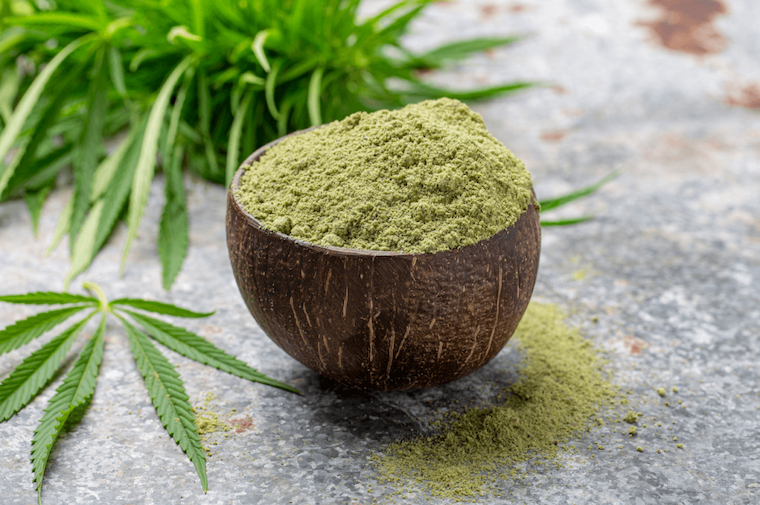
Plant-based proteins refer to proteins derived from plants such as yellow peas, brown rice, hemp, soy and seeds. Proteins, on their part, refer to important macronutrients that your body requires in the process of building muscles, repairing tissues, producing enzymes and maintaining immunity.
When you consume dairy powders such as whey, the protein is derived directly from the cow’s milk. However, effective plant protein powders involve processing raw plant materials to produce concentrated powders. In the process of making plant-based proteins, the protein is separated from other compounds such as starches, fats and fibres.
When analysing various options for proteins, one important point that needs to be considered is the idea of complete proteins. A complete protein provides you with all nine amino acids, which you do not make yourself. Even though some plants, such as soy and quinoa, provide you with all amino acids, other single-plant sources of single plants can be missing one or two of them.
In order to address the problem, today, there are many different blends of powders from different plant sources put into one container. For example, if you blend the proteins of peas and brown rice, you will have a full set of amino acids that will compete with those of dairy products.
Sources of Plant-Based Protein

Many plants serve as ingredients for making the powders and have their own unique taste, texture, and nutritive value to add to your shaker bottle.
Pea protein is one of the most widely available and consumed ingredients for this purpose. It is made from yellow split peas, has very good digestibility, is hypoallergenic and does not contain any trace of dairy, gluten or soy proteins. Pea protein contains large amounts of branched-chain amino acids and helps muscles recover after tough workouts.
Another amazing ingredient that pairs perfectly with pea protein is brown rice protein. This protein powder has an earthy taste and has a smooth mixing process. Even though brown rice protein is somewhat low in one of the essential amino acids (lysine), combining it with pea protein makes up for this lack perfectly.
Hemp protein is made out of crushed hemp seeds and is known for its earthy, nutty taste. Hemp protein powder is somewhat low in pure protein content compared to pea or soy protein, but it compensates for this deficiency by containing healthy fats and dietary fibre.
Soy protein has traditionally been one of the most popular plant proteins that provides a creamy taste with a great protein content per scoop. It has been extensively researched for many years, and it contains all the essential amino acids just like animal protein.
The same can be said about pumpkin seed protein and sunflower seed protein, which have become increasingly popular among health-conscious individuals. These proteins provide a great flavour with roasted undertones and contain healthy amounts of minerals such as magnesium, zinc, and iron.
How to Choose

The selection of the appropriate type of plant protein powder will depend on what your health goals are and what your personal taste is.
To start with, always read the list of ingredients carefully before purchasing any protein powder. Try to find powders that contain a simple list of real foods, which are easy to recognise. It is better to avoid products that contain too many artificial additives, such as artificial sweeteners, food colourings, chemicals, or high amounts of sugar that may lead to abdominal bloating.
Then think of your own food intolerance or allergy. In case of a sensitive gut or irritable bowel disorder, hypoallergenic proteins, such as pea and brown rice, will be more suitable for your daily use.
Finally, texture and flavour are of great importance in terms of the enjoyment of consuming the product. Unflavored plant-based protein may have some earthy flavour and be slightly chalky in the drink. For an easy-to-mix smooth drink, it is recommended to buy finely ground products or multi-ingredient powders containing natural digestive enzymes.
How to Use Plant-Based Proteins

Using plant-based protein powders is very easy, and it is not just about mixing them with water in a bottle.
The first and foremost choice of using them is adding a scoop to a morning smoothie. Simply mix your selected powder with frozen berries, a banana, fresh spinach, and your plant milk of choice, such as almond, oat, or soy and have a delicious, nutrient-rich smoothie breakfast.
Another great option is mixing them in your warm oats, plant yogurt, or chia pudding to have a nutritious meal in the morning and to avoid feeling hungry during the day.
For all of the baking enthusiasts, plant-based powders are amazing for creating healthy snacks. Try adding a scoop to your recipe for energy balls, pancakes, or muffins to satisfy your hunger in the afternoons.