

Entertainment
Pottery Tools 101: Essentials for Mindful and Creative Clay Work

In a world that moves quickly and demands constant digital attention, many people are rediscovering the calming rhythm of working with clay. Pottery offers something rare: a creative activity that slows the mind while engaging the hands. The gentle spinning of a wheel, the cool texture of clay, and the satisfaction of shaping something from scratch make pottery both meditative and expressive.
The good news is that pottery doesn’t require a huge collection of tools to begin. In fact, many potters start with just a few essential items and gradually build their collection as their skills develop. The key is understanding the difference between must-have basics and the more advanced, professional equipment that can come later.
Choosing Your Clay
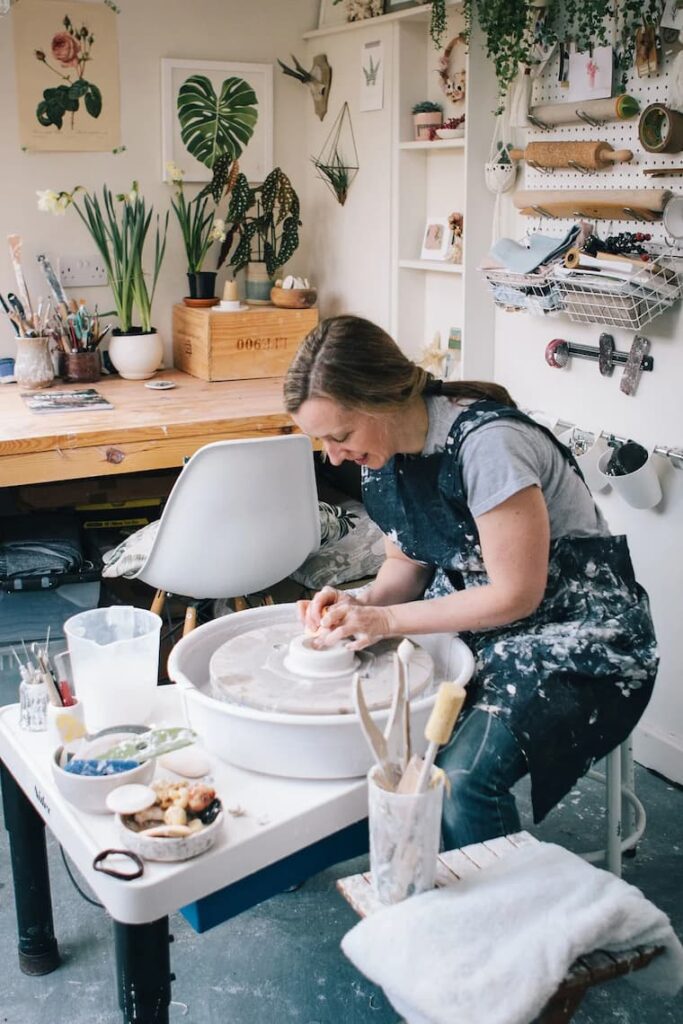
This growing interest has also increased demand for durable pottery supplies and tools that help beginners and experienced artists alike explore their creativity. But when someone first walks into a pottery supplies store, the variety of tools, clays, and equipment can feel overwhelming. Every pottery project begins with the same question: What type of clay should you use? Different clays behave differently during shaping and firing, so selecting the right one can make the learning process much smoother.
Earthenware
Earthenware is often the first clay beginners encounter. It fires at relatively low temperatures and remains slightly porous after firing unless glazed. Because of its firing range, earthenware works beautifully with bright and colourful glazes. It’s commonly used for decorative pottery, tiles, and artistic pieces. Many ceramic supply collections include earthenware clays in a variety of colours and textures.
Stoneware
Stoneware is often considered the “all-rounder” of pottery clays. It fires at higher temperatures than earthenware, which makes it stronger and less porous. For functional items like mugs, bowls, and plates, stoneware is a favourite among potters. It is durable, versatile, and forgiving to work with, making it ideal for both beginners and experienced ceramic artists.
Porcelain
Porcelain is often described as the most refined clay body. Known for its pure white appearance and translucent quality when thin, it creates elegant and delicate pieces. However, porcelain can be difficult to handle. It tends to be less forgiving and requires more precision. Many potters see it as a rewarding challenge once they gain confidence with other clay types.
Choosing Clay by Method
Your method of shaping clay also affects which clay works best. For wheel-throwing, smoother clays like stoneware and porcelain are often preferred because they respond well to continuous shaping. For hand-building techniques such as slab construction or coil building, slightly grogged clays provide extra strength and stability.
Most clay supply retailers offer clays specifically labelled for each method, making the selection process easier.
The Essential Toolkit
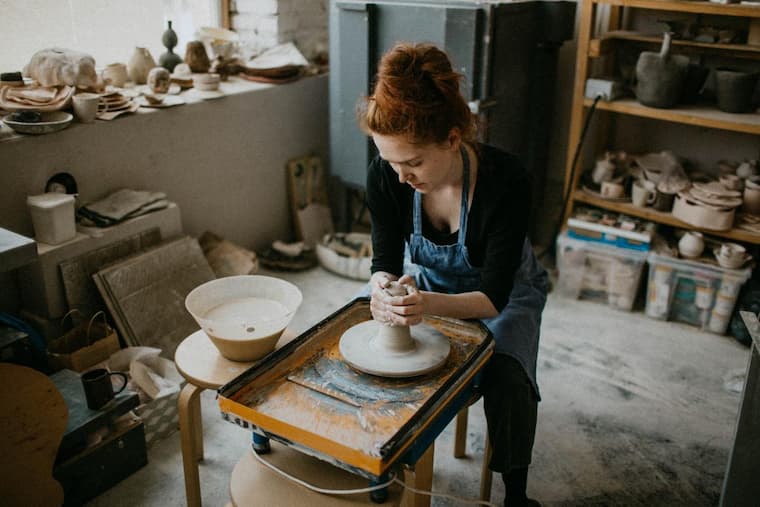
While pottery studios can contain dozens of specialised tools, a beginner can accomplish a surprising amount with just a handful of basics. These six tools form the core of most pottery toolkits.
The Wire Clay Cutter
A wire cutter is one of the simplest but most essential tools. It’s used to slice large blocks of clay into manageable portions and to remove finished pieces from the pottery wheel. Many potters also use it to create clean cuts when dividing clay slabs.
Needle Tool
The needle tool is a sharp, pen-like instrument used for detailed work. It helps potters check wall thickness, refine rims, carve lines, and mark measurements. Despite its simplicity, it’s one of the most frequently used tools in any pottery workspace.
Sponges
Sponges play a critical role in controlling moisture. During wheel-throwing, they help keep clay hydrated while smoothing the surface. Natural sponges are softer and absorbent, while synthetic ones are durable and easier to clean. Many potters keep both types in their toolkit.
Ribs and Scrapers
Ribs come in rubber, wood, or metal varieties. They help shape the outer curve of a pot. Rubber ribs are flexible and excellent for smoothing surfaces, while wooden ribs provide firmer control when shaping walls. Metal scrapers are useful for refining edges.
Loop Tools
Loop tools are primarily used during trimming, the stage when excess clay is shaved away from the bottom of a piece. They allow potters to create elegant bases and “feet” on bowls or plates, which gives finished pieces a balanced and professional look.
The Boxwood Modelling Tool
A boxwood modelling tool is commonly used in hand-building. Its smooth edges are perfect for joining clay pieces together, refining shapes, and adding delicate details. Because of its versatility, it’s often one of the most valued tools in a basic pottery kit.
Wheels & Kilns
Once potters move beyond beginner projects, larger equipment becomes part of the creative process.
The Pottery Wheel
The pottery wheel is perhaps the most iconic tool in ceramics. Electric wheels are the most common in modern studios. They provide consistent speed and strong torque, making them ideal for both beginners and professionals. Important features to consider include motor strength, splash pans for catching water and clay, and reversible rotation for left-handed or right-handed users.
Kilns
A kiln is the high-temperature oven used to fire clay and glazes. Electric kilns are the most common option for home studios because they are relatively easy to operate and maintain. More advanced ceramic artists may explore gas, wood-fired, or raku kilns. These firing methods create unique atmospheric effects that influence glaze colour and surface texture.
Understanding Cones
Kilns use something called pyrometric cones to measure temperature and heat-work during firing. Each cone corresponds to a specific temperature range. Learning about cones helps potters match their clay and glazes to the correct firing conditions.