





Food & Drink
The Basics of White Wine: Everything You Need to Know About This Popular Drink

White wine is indeed one of the most popular alcoholic beverages in the world. Its pale colour and crisp, refreshing taste make it a light and versatile drink that appeals to a wide range of palates.
If you occasionally enjoy a glass or two, you might find yourself wondering: what gives this seemingly simple drink its distinctive taste and reputation? The process of making white wine is quite different from that of producing deep red varieties. From the types of grapes used to the way they are prepared and ultimately enjoyed, there is plenty to discover before popping the cork.
To understand the popular types of white wine in Australia, what makes each one special and how to enjoy them best, it’s worth starting from the very beginning.
How Is White Wine Made?
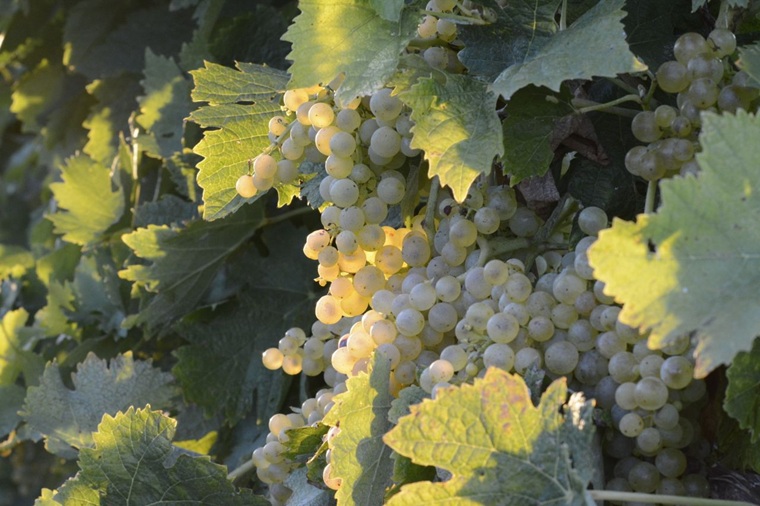
The production starts with the grapes, and the varieties used play an important role in shaping the final drink. Unlike red wines, white wines are typically made from pale-coloured grape varieties or dark-coloured grapes with their skins removed. This initial choice plays an important role in determining the final result. By separating the skins from the juice, winemakers give white wine its distinctive pale colour, producing a drink with lower tannin levels and a different texture compared to red varieties.
The grape juice then goes through a fermentation process, during which special yeast converts the natural sugars in the grapes into alcohol. The vessels used for fermentation also influence the wine’s final taste and texture. Stainless steel tanks, for example, produce a cleaner, crisper finish, while wooden barrels can add richness, depth and more traditional flavours.
Once fermentation is complete, winemakers remove any remaining grape solids from the wine and leave it to age. This allows its flavours and aromas to develop, resulting in a more balanced and enjoyable final product.
Depending on several factors, including the climate in which the grapes are grown and the varieties used, white wines can have a wide range of flavours and tasting notes. Some of the most common are crisp, citrusy flavours such as lemon, lime and green apple, which often take centre stage. Floral hints and even mineral notes, such as chalk, can also be found in higher-quality, more complex wines.
Different Types
There is no single type of wine that suits every palate, but white wine offers enough variety to ensure there is something for everyone. All you need to do is find the right one for your next big gathering.
To make the selection process a little easier, here are a few popular types worth adding to your consideration list.
Chardonnay
You can never go wrong with a vibrant, traditional Chardonnay. Its popularity speaks volumes about its versatility and great taste, so what more convincing do you need?
If you’re still a beginner when it comes to wine, Chardonnay is possibly the best place to start. It’s one of the most renowned wine varieties worldwide and among the most popular white wines in Australia. It offers fruity tasting notes and a pleasant, slightly sharp aroma, creating a lovely balance between sweetness and acidity. Its light, refreshing texture makes it a great choice for the summer months. Best of all, it pairs well with a variety of foods and is suitable for many different occasions.
Pinot Grigio
If you want to impress your guests with a classy variety, Pinot Grigio is the perfect choice. Also known as Pinot Gris, this variety is renowned worldwide for its pale yellow appearance and dry character, making it an excellent companion to an elegant dinner. If you prefer something smoother, it’s also interesting to note that Pinot Grigio generally has lower acidity than Chardonnay, giving it a softer taste and allowing its delicate flavours and floral aromas to shine through.
Pinot Blanc
If you’re already a fan of Pinot Noir, or have at least heard of this extremely popular variety, you should absolutely try its lighter counterpart, Pinot Blanc. Pinot Blanc is a refreshing wine that is often compared to Chardonnay. It’s known for its relatively high acidity and crisp, fruity flavours. Among its most noticeable tasting notes are green apple and pear, often accompanied by subtle hints of citrus. These flavours give it a lovely summery feel, while also making it an excellent pairing for a traditional family roast dinner.
Best Food Pairings

When it comes to food, every wine has certain dishes or food groups that it pairs particularly well with. Of course, you can always experiment with different flavours and combinations, as everyone’s tastes and preferences are different. However, if you’d like to pair your brand-new bottle of wine with a delicious dinner, here are a few combinations that are sure to impress your guests.
Sugar and Spice
If you’re serving a nice, spicy dinner, you might initially think about pairing your food with an equally sharp, acidic wine. However, you can do much better than that! Sometimes, contrasting flavours work best. So, if you’re serving chilli-spiced dishes or well-seasoned meats, consider pairing them with a sweeter wine to soften the intensity of the seasoning.
Dry wines, on the other hand, can amplify the heat of spicy food, making every bite feel even hotter. A nice Gewürztraminer or Riesling, however, can bring out the flavours of your dish while balancing out the intensity of the spices.
Match Weight Instead of Colour
Most people tend to match the colour of their wine to their food or even to the overall setting of the table. However, while this might improve the aesthetics of your dinner, it doesn’t necessarily do much for the flavour.
Instead, you should match the feel and weight of your food to the body of your wine. Light meals and starters call for lighter wines, while rich, meaty dinners pair better with full-bodied, creamy varieties that provide the perfect balance.
Popular Wine Pairings Among Aussies
Because Australian cuisine is a unique blend of spicy, rich, flavourful and fun, every Aussie has their favourite wine to pair with their meals.
BBQs, especially grilled chicken, are often enjoyed with Chardonnay, as the smoky flavours of the meat go perfectly with the rich, buttery notes of an oaked Chardonnay.
Spicier dishes and Asian fusion meals, on the other hand, pair beautifully with the classic, sweet Gewürztraminer. Its distinctive lychee and rose notes perfectly complement the heat and intensity of these dishes.
And, of course, no discussion of Australian food and wine pairings would be complete without seafood. Depending on the type of seafood you serve, you might want to choose a different variety of wine. For oysters, a dry Riesling is an excellent choice, as its crisp acidity cuts through their delicate, soft texture and enhances their natural flavours.
Final Thoughts
Even if you don’t consider yourself a white wine drinker, the sheer variety of styles means there is almost always a bottle worth trying. Its refreshing nature and broad food-pairing appeal make it a seamless fit for any table or occasion. Whether you’re planning a party or just winding down for the evening, picking up a bottle of white is a simple way to explore new flavours and find a new favourite.