Sports
The Complete Golf Buggies Guide

Imagine gliding effortlessly from hole to hole, saving your energy for that perfect swing instead of trekking across long stretches of terrain. That’s the magic of a golf buggy. In recent years, they’ve become incredibly popular not only for their convenience but also for the comfort, accessibility, and efficiency they bring to the course.
Electric vs. Petrol Running
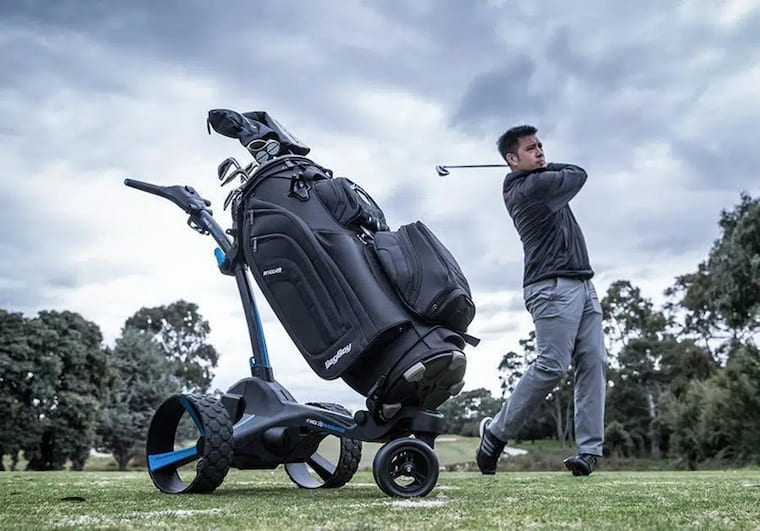
Thanks to their mix of performance, convenience, and “green” advantages, a strong and stable golf electric buggy is at the top of the game. Since these run on rechargeable batteries, they produce zero emissions, making them a far more environmentally friendly option than petrol-powered ones.
One of their biggest benefits is quiet operation: golf electric buggies move nearly silently, avoiding the engine noise that might disturb the peaceful atmosphere of a golf course (or a residential area, resort, or park where they are used). Additionally, the clear point in favour of electric alternatives is their near-silent ride, which is also more pleasant for you and others.
From a cost perspective, electric golf buggies are generally more affordable to run and maintain over time. Charging a battery tends to cost less than fuelling with petrol, and electric drivetrains have far fewer moving parts — meaning less frequent maintenance, no oil or filter changes, and fewer mechanical issues.
Moreover, many modern electric models deliver smooth acceleration and consistent torque, which translates into a comfortable and responsive ride — sometimes rivalling or even matching the performance one traditionally associates with petrol buggies.
Because of these traits, quietness, low running cost, eco-friendliness, and ease, an electric golf buggy is a great fit not only for golf courses but also for resorts, retirement communities, large estates, and other settings where emissions, noise, or fuel logistics are concerns.
Although for many users the trade-offs are well worth it, keep in mind that a golf electric buggy may have a limited range per charge compared to petrol models, and you must plan for recharging time, plus eventual battery maintenance or replacement when the lifespan ends.
On the other hand, petrol golf buggies traditionally excel in range, power, and convenience for extended or heavy-duty use. With a full tank of gas, they can often travel longer distances, which is an advantage for large golf courses, sprawling properties, or frequent, long-duration use.
However, they produce engine noise, exhaust emissions, and fuel odour, which detracts from the quiet, serene ambience many golfers and facilities prefer. They also require regular maintenance such as oil changes, filter replacements, spark plug and engine servicing, which increases long-term upkeep compared to simpler electric trolleys.
Seating Capacity and Design
Golf buggies typically come with a variety of seating capacities and design configurations — from compact two-seaters to larger carts that hold six, eight, or more passengers. The most common models seat 2, 4, or 6 people, depending on use and the number of riders you need to accommodate.
Two-seater buggies are ideal for solo golfers or pairs, offering a compact size. These are typically 2.3–2.5 m long and 1.2 m wide, which makes them easy to manoeuvre, park, and store. Four-seaters, on the other hand, widen the usability by adding extra seating without greatly increasing width, so the buggy remains manoeuvrable on narrow paths while carrying two extra people.
For larger groups such as families, resort guests or property transport, six-seaters provide extra capacity. These often stretch the chassis length and sometimes feature configurations like “4 + 2”: four forward-facing seats plus two extra seats in the back. Plus, they may fold down when not in use.
Seating materials and layouts may vary, from simple bench-style seats to padded, cushioned seats with headrests, lap belts, weather-resistant roofs, storage, and comfort features — depending on the model’s purpose (golf course, resort shuttle, personal transport).
Terrain Handling
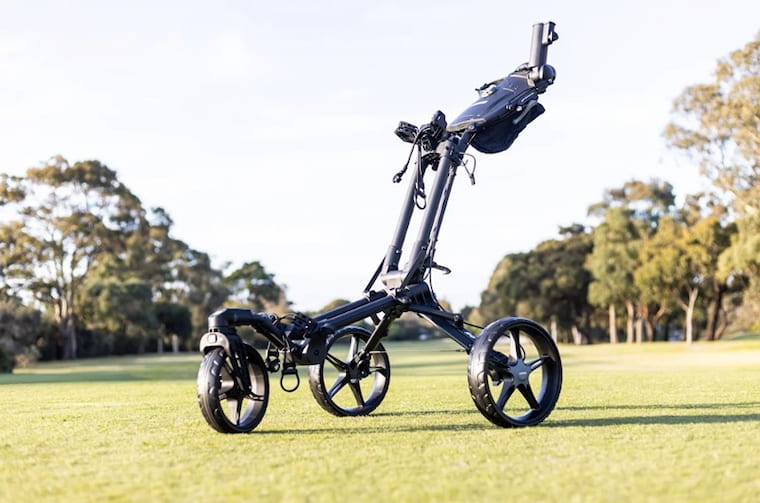
Golf buggies are designed to handle a range of terrains, and their performance largely depends on suspension quality, tyre type, and overall build. Standard golf course models are built for smooth to moderately uneven ground, offering stable handling on fairways, paths, and gentle slopes. Their low-pressure tyres provide good traction without damaging the turf.
For more demanding environments, such as hilly courses, gravel paths, or mixed outdoor terrain, enhanced features become essential. All-terrain buggies often include robust suspension systems, heavier-duty frames, and wider, deeper-tread tyres to improve grip and stability.
These upgrades help the buggy maintain control on inclines, soft ground, or wet surfaces. Electric models deliver smooth torque at low speeds, which aids in steady climbing, while petrol models may offer stronger power for steep or extended climbs.
Storage and Accessories Options
Trolleys for golf offer a wide range of storage and accessory options designed to make each round more convenient and enjoyable. Most standard models include essential features such as scorecard holders, tee and ball trays, and rear storage compartments for clubs and personal items. Many also have under-seat storage, perfect for keeping valuables protected during play.
For added convenience, modern varieties often support custom accessories. These can include cooler boxes for drinks, umbrella or sand bottle holders, GPS mounts, phone cradles, and USB charging ports. Some premium designs allow for clip-on organisers, weather-resistant enclosures, or even fold-out rear seats that double as cargo beds for gear.