Entertainment
Picking out the Right Spray Paint Cans for Long-Lasting Results

A quality surface coating does much more than improve appearance. In industrial, automotive, maintenance and fabrication settings, the right finish can help protect metal from corrosion, improve resistance to weather and chemicals, increase visibility through specialised colours, or prepare a surface for additional coatings.
Because different jobs place different demands on a coating, selecting the correct product is often just as important as preparing the surface properly. Modern spray cans are designed to provide consistent coverage while reducing application time compared with traditional brushing or rolling.
They are widely used on steel, aluminium, timber, masonry, concrete, many plastics and previously painted surfaces, provided the coating is compatible with the substrate. Factors such as the surrounding environment, expected wear, exposure to sunlight and moisture, and the desired finish all influence which coating system is likely to perform best over time.
The Correct Can for the Job
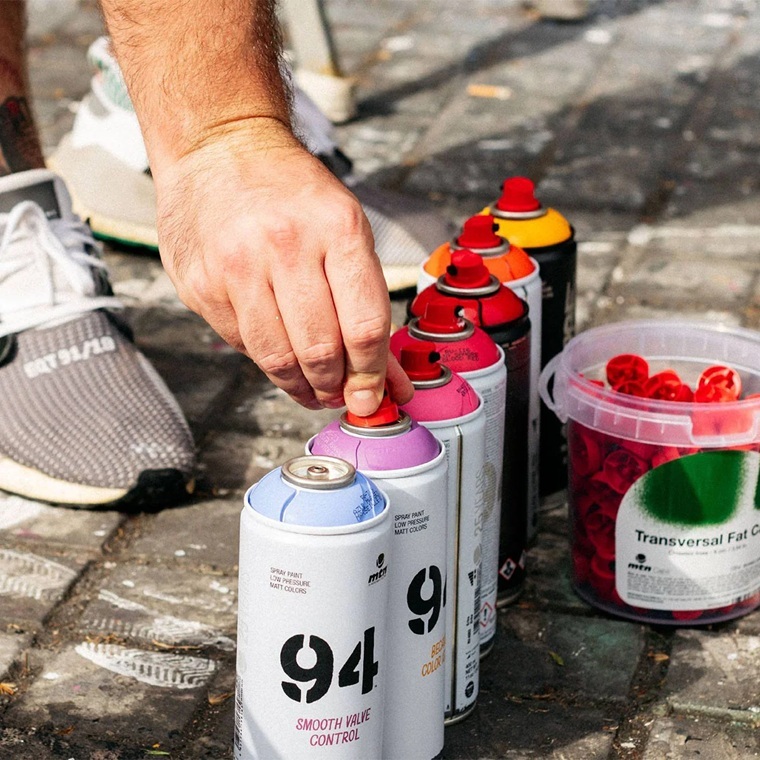
Not all spray paint cans are intended for the same purpose. While many are suitable for general coating applications, others are formulated for more specialised tasks, including surface preparation, corrosion protection, high-temperature exposure, marking, decorative finishes, transparent protective layers and specialised industrial maintenance.
Choosing a product based solely on colour can lead to poor adhesion, uneven coverage or reduced durability. Most coating systems are designed to work as part of a process rather than in isolation. Primers improve adhesion and create a stable foundation, colour coats provide the desired appearance and protection, while clear finishes can increase resistance to abrasion, chemicals and ultraviolet exposure.
Certain specialised coatings also deliver textured, metallic, fluorescent or other functional finishes where appearance and performance are equally important. Selecting suitable spray paint cans early in the planning stage often results in a more durable finish and fewer application problems later.
More Than Just Colour
Colour is often the first feature people notice, but performance depends on several technical characteristics. Drying time affects how quickly additional coats can be applied, while curing time determines when the coating reaches its full hardness and durability. Fast-drying formulations are useful when downtime must be minimised, whereas heavier-duty coatings may require longer curing to achieve maximum performance.
Surface compatibility is equally important. Bare metal frequently benefits from an appropriate primer before receiving colour coats, while galvanised steel, aluminium and certain plastics may require specially formulated products to achieve reliable adhesion. Existing coatings should also be compatible with any new layer to reduce the risk of lifting, wrinkling or peeling after application.
The finish itself influences both appearance and maintenance. Gloss finishes are generally easier to clean and highlight colour depth, satin finishes provide a balanced appearance with moderate sheen, while matte finishes minimise glare and help conceal minor surface imperfections. Matching the finish to the intended environment can improve both aesthetics and long-term practicality.
Maximising Coating Performance
Many people ask how long an aerosol coating lasts. The answer depends less on the container and more on preparation, environmental exposure and whether the correct coating system was used. A properly prepared and coated surface can remain in good condition for years, whereas inadequate cleaning or incompatible products may shorten its lifespan significantly.
Another common question concerns the number of coats required. Most applications achieve better results through several light coats rather than one heavy application. Thin coats reduce the likelihood of runs, improve solvent evaporation and promote more even coverage between layers.
Following the recommended recoat window also helps successive layers bond correctly. Storage conditions matter as well. Aerosol products perform best when stored upright in cool, dry environments away from direct sunlight and excessive heat.
Temperature also affects application quality. Extremely cold conditions can reduce atomisation, while excessive heat may cause solvents to evaporate too quickly, leading to inconsistent finishes. Good ventilation remains essential during application, both for user safety and for achieving consistent drying.
Getting the Best Results Every Time
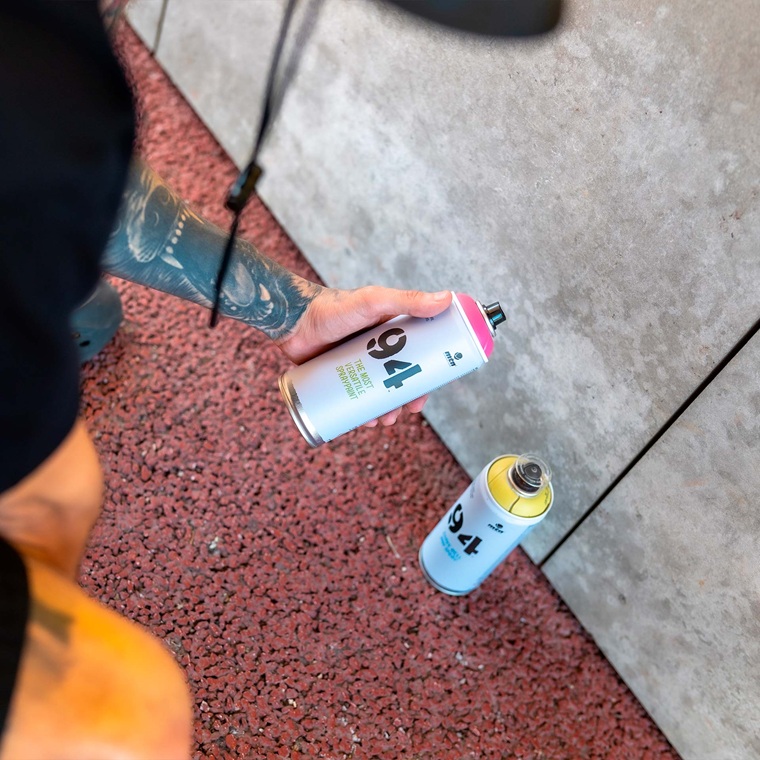
Even the highest-quality coating performs best when supported by careful preparation and correct application techniques:
- Prepare the surface thoroughly by removing dirt, grease, loose rust and failing coatings before applying any new finish.
- Apply several light, even coats instead of one heavy coat to improve adhesion, minimise runs and produce a more uniform appearance.
- Allow adequate flash-off and curing times between coats so each layer bonds correctly and develops its intended performance.
- Test compatibility on a small, inconspicuous area whenever coating unfamiliar materials or previously painted surfaces.
- Store spray can correctly between uses to maintain spray quality and preserve the formulation until the next project.
Where a Better Finish Starts
Achieving reliable results involves much more than selecting a colour that looks right. Surface preparation, coating compatibility, application technique, environmental conditions and the intended end use all contribute to the final outcome.
Different formulations are developed to solve different challenges, from corrosion protection and high-temperature resistance to decorative finishes and specialist maintenance work, making product selection an important part of every project. Understanding how coating systems work together allows each stage to complement the next, improving adhesion, durability and appearance while reducing the likelihood of costly rework.
Whether maintaining industrial equipment, restoring metal surfaces or completing fabrication projects, choosing an appropriate spray paint can and applying it correctly helps create finishes that not only look professional but also stand up to demanding conditions over time.