




Entertainment
A Guide to Choosing and Using a Banding Wheel

You might think those fast electric spinning wheels get all the glory in the pottery world, but a heavy, hand-spun table is the actual secret weapon for doing perfect detail work. When you use a manual turntable, you get total control over how fast or slow your clay moves. A simple, gentle nudge with your pinkie finger spins the plate smoothly, leaving both of your hands completely free to hold your carving tools and focus on making your art look beautiful.
Also, you no longer need to worry about a loud motor moving too fast and ruining your hard work by accident. You can explore banding wheels for ceramics online and find sturdy tools that make painting neat lines or trimming messy edges super easy.
Perfect Lines and Concentric Circles
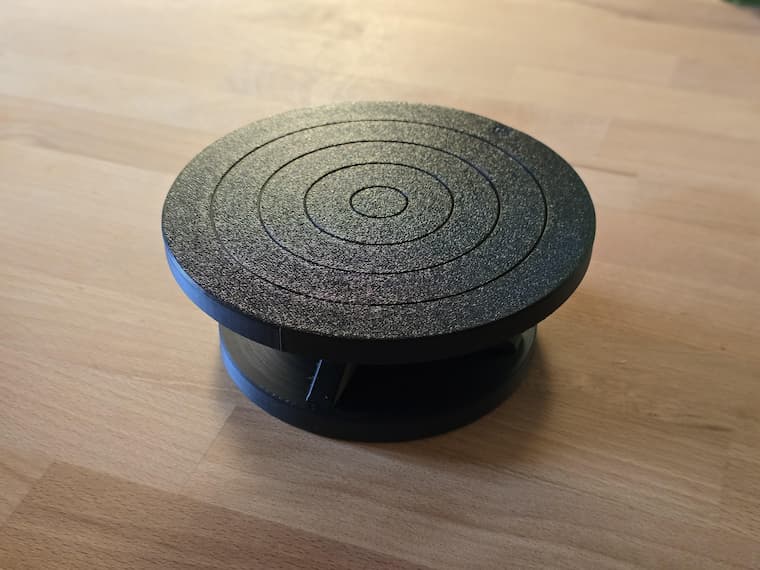
Trying to paint a perfectly straight, even line all the way around a round clay bowl by hand can feel almost impossible. If you try to move your paintbrush across the surface while the dish is sitting still on your table, your hand will probably shake and make a wiggly mess. This is exactly where a heavy spinning wheel comes to save your project. You plop your bowl down right in the dead centre of the metal plate, rest your elbow steadily on your workbench, and dip your brush into some colourful glaze liquid.
With your other hand, you give the bottom rim a gentle little push to get it gliding smoothly. As the clay spins around in a perfect circle, you hold your paintbrush completely still against the side. The turning motion does all the hard work for you, leaving behind a flawless, neat band of colour.
To find the right weighted base that glides without annoying bumps, you can check out available banding wheels for ceramics and choose a size that fits your studio workspace. It makes adding rings, clean borders, and detailed patterns feel like a fun, breezy game.
Hand-Building and Sculpting
When you are building a clay sculpture or shaping a pot by hand, you cannot just look at it from one single side. If your project stays stuck in one spot on your desk, you will constantly have to stretch your neck, lean over precariously, and twist your body into weird shapes just to see the back.
This is why a banding wheel is such a massive lifesaver for your studio space. You place your damp clay lump right on top of the smooth plate and give it a tiny nudge whenever you want to check your progress.
The spinning surface rotates your artwork around effortlessly so you can examine every angle at eye level without ever touching or smudging the delicate clay. It lets you notice uneven bumps, add matching coils, and carve details smoothly all the way around your piece. Using this heavy tool keeps your hands completely free to hold your sculpting loops and wooden ribs while your work glides smoothly.
Choose the Right Wheel Material and Type
Heavy Cast Iron vs. Lightweight Aluminium
First things first, consider how much weight your table can support when picking out your new studio gear. Heavy cast-iron banding wheels are awesome because they have a lot of muscle, meaning once you spin them, they just keep gliding smoothly on their own for a long time. They stay glued to your workbench and will not slide around when you work with big, heavy clay lumps.
On the other hand, lightweight aluminium models are super easy to pick up, pack in your bag, and move around your room whenever you want to clean up.
Aluminium and Plastic
You will find some options made of aluminium and plastic if you are shopping on a tight budget or just starting your clay journey. These pottery banding wheels are super lightweight and easy to use, making them perfect for younger students or quick, casual crafting days. The plastic parts mean you do not have to worry about rust when you wash off messy clay or wet glazes under the sink. While they do not spin forever like the heavy iron ones, they give you a clean, smooth surface to turn your small pots without breaking your piggy bank.
The Best Height for Your Workbench Comfort
You need to consider your chair and table heights before choosing between a tall and a low-profile model. If you love carving tiny details or painting fine lines on your pots, a tall wheel lifts your artwork right up to your eyes so you do not have to hunch your back.
But if you are building massive, heavy clay sculptures, a low-profile disc keeps everything close to the table surface so your arms do not get tired. Picking the right height keeps your neck and shoulders completely comfortable while you create your art.