






Other
Acrylic vs Oil Paint: What’s the Difference?

Walking into an art store for the first time can feel exciting right up until you reach the paint aisle. You head in expecting to grab a few basics, and suddenly you are staring at rows of colours, finishes and materials that all seem to promise something different. Oil and acrylic usually sit at the top of the list, and choosing between them can feel harder than expected.
The paint you choose shapes the way you work. It affects how quickly you move through a piece, how you build colour and how much time you spend refining details. Once you understand how each one behaves, choosing becomes much less about finding the “best” option and more about finding what feels right in your hands.
What are Oil Paints?
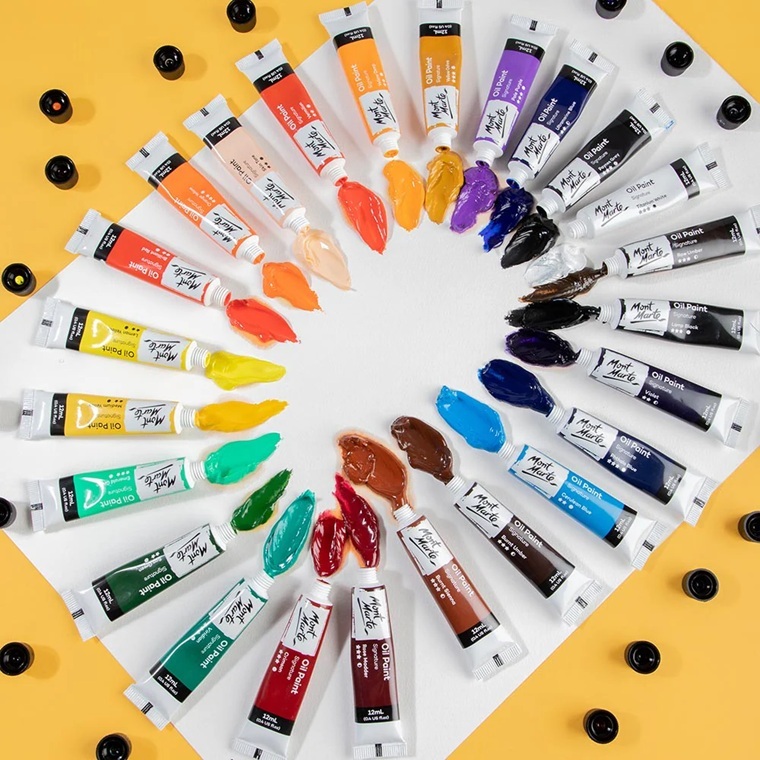
Oil painting creates a slow and more deliberate experience. Instead of pushing you to work quickly, it gives you room to spend more time shaping your artwork.
Traditional oil colours combine pigment with oils, commonly linseed oil, which creates a rich and creamy consistency. Because the paint stays workable much longer than acrylics, you can blend colours directly on the canvas and continue adjusting details as your painting develops. That extra time changes the way you paint. You can soften transitions, build depth gradually and return to areas that need more attention without feeling rushed.
Many artists choose oil paint because it offers:
- Rich colour depth
- Smooth colour blending
- Strong texture and visible brushstrokes
- Longer working time
You spend less time racing against drying paint and more time focusing on the details that bring a piece together.
What is Acrylic Paint?
Acrylic paint is a water-based medium made from pigment and acrylic polymer. Artists often gravitate towards acrylics because they fit naturally into a simple, low-maintenance creative routine.
You can use acrylic paint on canvas, paper, wood and a wide range of surfaces. You can also change the look and feel of it quite easily. Add water and create lighter, more transparent layers, or use it directly from the tube for stronger colour and texture. Acrylics also make it easy to jump straight into painting without a lengthy setup.
You can:
- Build layers quickly
- Clean brushes with water
- Experiment with different techniques
- Finish sections in shorter painting sessions
The fast drying time often becomes a major advantage. You can sit down for an hour, paint a few layers and walk away feeling like your artwork actually moved forward.
The Biggest Differences Between Them
Although acrylics and oils can both create beautiful finished artwork, they behave very differently once you start using them.
Drying Time
Acrylic paint dries quickly, sometimes within minutes, depending on thickness and room conditions. That speed helps you move through layers and continue building your artwork without long pauses.
Oil paints stay wet much longer. You can continue blending colours and adjusting details over several hours or even days.
If you enjoy moving quickly from one stage to the next, acrylics may feel more natural. If you like spending time refining a piece, oils give you that freedom.
Texture And Consistency
Acrylic paint generally feels lighter and more flexible. Oil feels smoother and creamier, creating a softer movement across the canvas. You can leave visible brushstrokes for texture or blend colours until transitions become almost seamless.
Colour Appearance
You may notice changes once the paint dries. Acrylic colours can dry slightly darker than they first appear. Oil colours often keep their richness and depth, helping you create stronger tonal contrast and colour variation.
Cleanup Process
Cleanup creates one of the biggest differences between the two. Acrylics keep things simple because water handles most of the process. Oil painting usually requires additional cleaning products and a little more care when cleaning brushes.
Which Paint Is Easier For Beginners?
Many people start with acrylics because they can set up quickly, start painting straight away and clean up without much effort. At the same time, oils often surprise beginners. The longer working time gives you space to blend colours, soften mistakes and improve details without feeling pressure to work quickly.
The better option usually comes down to your natural pace. If you enjoy quick progress and shorter creative sessions, acrylics may fit more comfortably into your routine. If you enjoy slowing down and gradually building a piece, oils can feel rewarding from the start.
How To Choose Between Them
Think about how you naturally like to create before making your choice. If you usually fit painting around work, study or everyday responsibilities, acrylics can help you make progress in shorter bursts of time. If you enjoy settling into a longer creative session and working through details at your own pace, oils may suit you better.
If you decide to explore and buy oil paints online, start with a smaller range of colours rather than filling your cart immediately. A simple palette helps you learn colour mixing faster and gives you a chance to understand the medium before expanding your collection.
Tips For Trying Oil Paint For The First Time
You do not need an overflowing workspace or dozens of supplies to get started with oils. Keep things simple at the beginning and spend time learning how the paint behaves. A few practical tips can make your first experience easier:
- Start with a small colour palette
- Practise blending colours together
- Give each layer enough drying time
- Use basic brushes while learning
- Focus on progress rather than perfection
If you browse oil paints online, you will quickly notice the huge range of colours and sets available. Start with the essentials and add more as your confidence grows.
Conclusion
Acrylics and oils create two very different painting experiences. Acrylics give you speed, flexibility and easy cleanup, while oils give you rich colour, smoother blending and more time to shape your ideas.
Once you understand how each medium responds, choosing becomes much easier. You may even discover that different projects call for different approaches, and that experimenting with both opens up new ways to create.