Industry
Flammable Storage 101: Best Practices for Liquids, Solids, and Gases

Handling flammable chemicals comes with serious responsibility. Whether you’re storing flammable liquids, compressed gases, or flammable solids, the potential for fire or explosion is always present if proper precautions aren’t taken. From solvents and fuels to aerosols and powders, these materials demand respect and careful management. The way you store them can make the difference between a safe, compliant workplace and a major incident waiting to happen.
Choosing standard-compliant dangerous goods storage Australia wide is a smart decision for safety and peace of mind. These standards help prevent fires, chemical spills, leaks, and serious accidents that could harm people or damage your workplace. When you use properly compliant cabinets and storage systems, you’re also protecting your business from hefty fines and potential legal trouble during inspections. Beyond compliance, these solutions come with practical benefits like proper ventilation, secure locking systems, clear labelling, and strong construction built to last. Whether you run a factory, workshop, laboratory, or warehouse, investing in compliant storage reduces risk and supports smoother daily operations.
How to Store Flammable Liquids
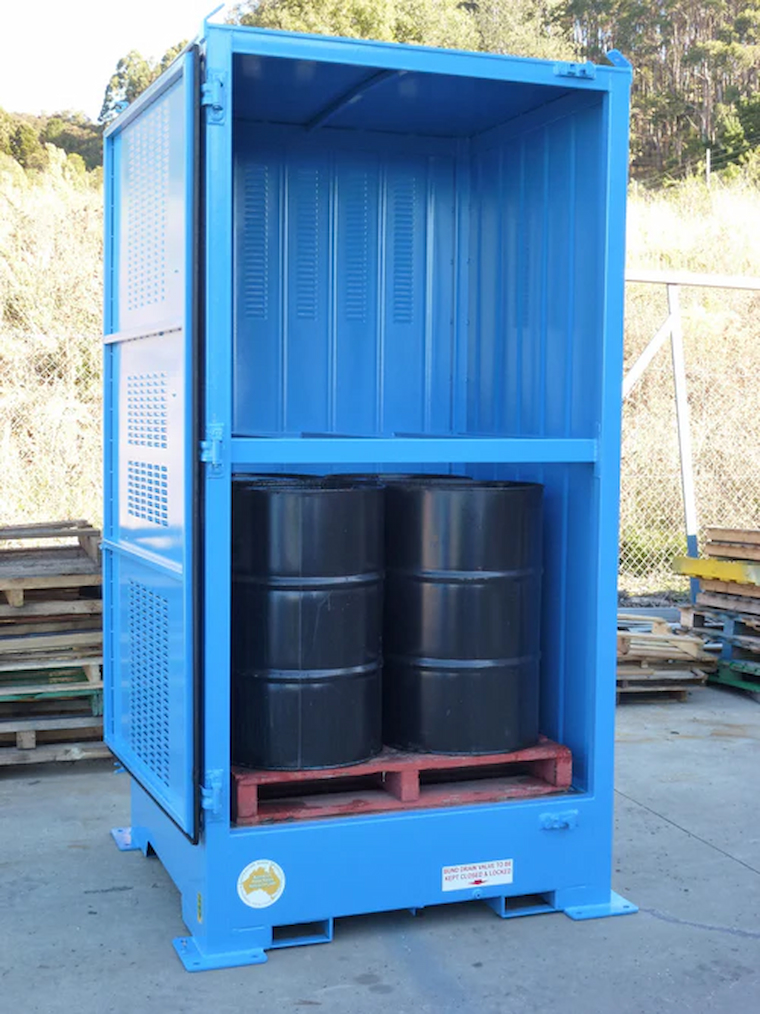
What are the rules for storing flammable materials? Storing flammable liquids safely is something that every business needs to take seriously. These substances can ignite quickly, so getting the right dangerous goods storage helps prevent accidents and protects everyone. Here are some of the most important things to focus on:
-Choose proper cabinets: Indoor storage units should be made with double-walled steel, a solid spill containment sump, and self-closing doors to contain leaks and offer fire resistance.
-Ventilation is key: Any ventilation system must safely direct vapours outside and away from people or potential ignition sources.
-Watch your quantities: There are limits on how much you can keep indoors. For bigger volumes, a purpose-built outdoor store is often the smarter, more practical solution.
-Outdoor options: Look for strong, relocatable containers with good airflow, weather protection, and solid security features.
-Daily habits matter: Regular staff training, clean workspaces, and fast spill response are just as crucial as the equipment itself.
How to Store Flammable Solids
Flammable solids can ignite quite easily, sometimes even without an obvious spark, and can also release flammable gases that settle in low areas, increasing the risk of fire or explosion. The main Australian Standard that governs this is AS/NZS 5026, which lays out clear requirements for proper standard-compliant dangerous goods storage Australia wide. Good quality cabinets are built with double-walled steel construction and a 40mm air gap to help contain heat. They usually include self-closing doors, perforated shelves for better airflow, and a solid spill containment sump at the bottom.
Ventilation plays a big role as well. Any system you install must safely extract vapours to the outside, away from people and potential ignition sources. The setup needs to be properly designed by a qualified person and must not weaken the cabinet’s structure. It’s also important not to link multiple cabinets to the same ventilation, as mixing different vapours can create dangerous reactions. When you follow these guidelines, you significantly lower the chance of spontaneous combustion or other serious incidents, keeping your team and workplace much safer.
How to Store Flammable Gases
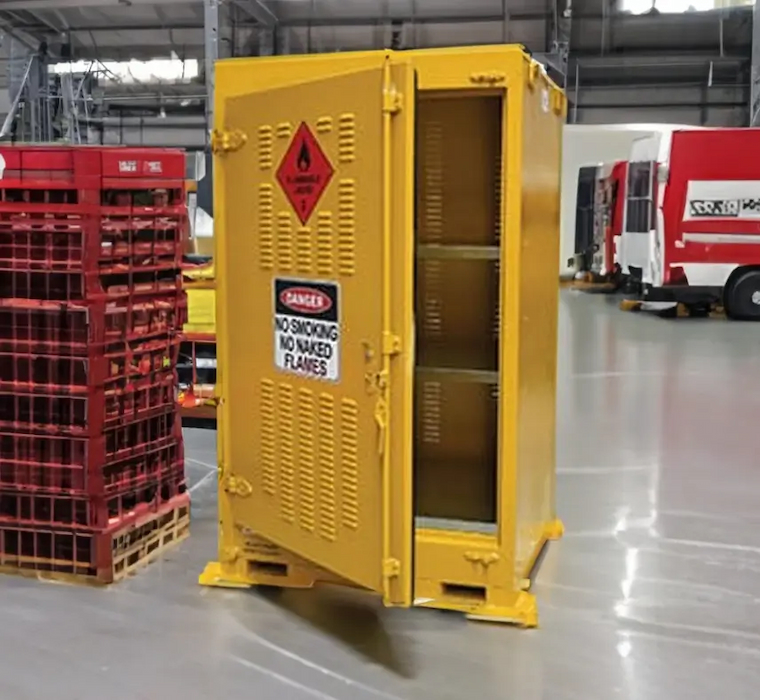
Flammable gases are typically stored under high pressure, so proper storage practices are essential to reduce serious risks such as leaks that can lead to asphyxiation, fire, or explosion if the gas comes into contact with an ignition source. Here are some of the key things to focus on when storing flammable gases:
-Use proper storage solutions: Gas cylinder cages should be built from non-combustible materials with a stable base, secure restraints, and well-ventilated doors that open outwards.
-Match the hazardous goods storage to the gas type: Different gases, such as acetylene, LPG, or aerosols, often need specifically designed storage to handle their individual hazards safely.
-Prioritise good ventilation: Outdoor placement is usually ideal because it allows gases to disperse naturally. If indoor storage is necessary, mechanical ventilation at both high and low levels helps prevent dangerous build-up.
-Follow the right standard: In Australia, AS 4332 sets out the main requirements for storing gases in cylinders. Meeting these guidelines is essential for both safety and legal compliance.
Key Factors to Consider
When choosing a dangerous goods store, there are a few important principles that apply no matter which type you’re dealing with. These basic guidelines help keep your workplace safer and make it much easier to stay compliant.
You’ll want to keep ignition sources well away from your storage areas and ensure incompatible substances are stored separately to prevent dangerous reactions. Choosing the right spot for your stores is also crucial. Somewhere protected from impact damage and clear of other combustible materials. Good signage and consistent housekeeping practices make a noticeable difference.
One of the most important things is making sure your team understands the risks. Proper training on chemical safety and segregation rules helps everyone stay vigilant. Flammable liquids, solids, and gases should always be kept apart from each other and from any other materials they might react badly with. Taking these steps seriously reduces the chance of accidents and shows a genuine commitment to safety.