Lifestyle
The Story Behind Chefs Wearing Aprons

Polished, professional and hygienic are the three words that can best describe chefs’ uniforms and aprons. But do you really know their true origin?! Well, it all goes back to 1822, when the popular French chef Marie-Antoine Carême desired to ‘plant’ a sense of professionalism and respect in the industry.
So, he sketched two chefs in uniforms to illustrate his concept and understanding of the ideal look for a chef. His idea wasn’t accepted immediately until the late 1800s, when the uniform became used in the most elite establishments in Paris and London.
The chef’s uniform consisted of a jacket, pants, hat and apron, all in white. The plain white apron was in a longer waist style, designed to fold over at the top and tied in front.
Why Do Chefs Wear Only White Aprons?
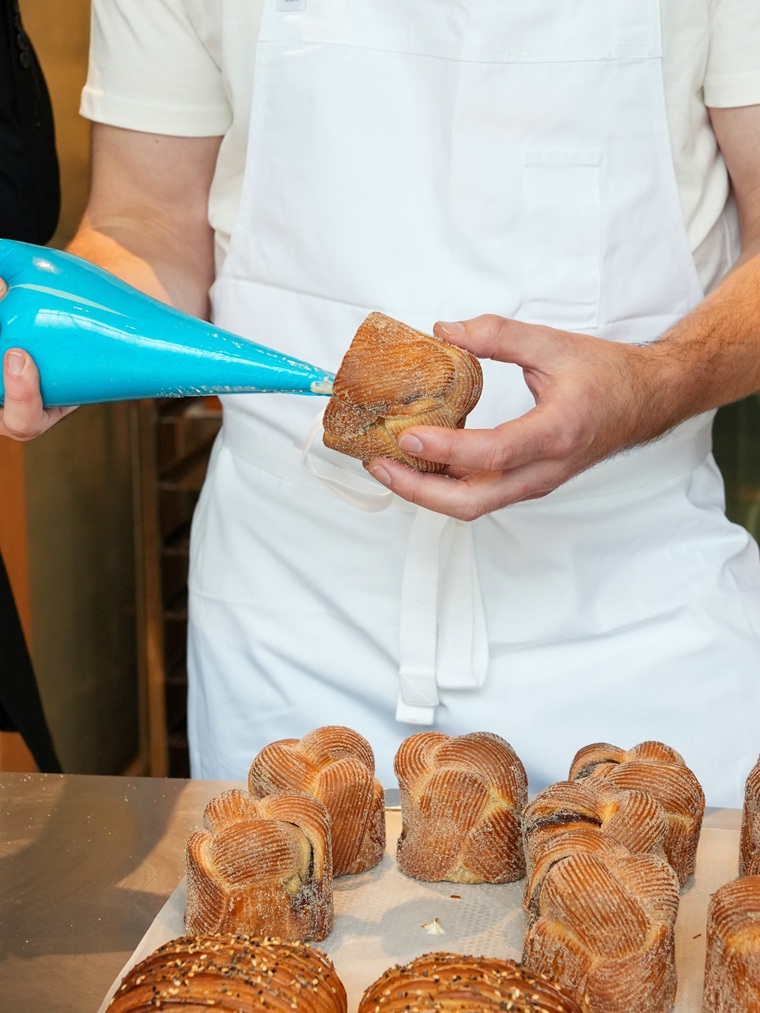
First things first, you should know that long before the chef’s hat, jacket and pants, chefs wore the apron in white as an essential to keep them safe from splashes, spills and even open flames. Even to this day, the function of the apron hasn’t changed. But what is the purpose of a white apron, you might ask?!
Well, aside from being a symbol of cleanliness, a professional plain white apron is also great for exposing splatter, food residues and dirt so you can do the maintenance promptly. Moreover, it’s just as preferred for the flexibility to be washed at higher temperatures and even bleached to remove stains and kill bacteria.
No other colour can withstand being washed or bleached without fading. These are some of the main reasons why aprons in this light and pure colour are still one of the most common uniform sights in the culinary world. And this precisely is the beauty of wearing all white, don’t you think?!
Who Else Can Wear a White Apron?
Nowadays, all kinds of chefs can wear a white apron, from pastry chefs to apprentice chefs in culinary and trade schools. But apart from them, many other professionals can wear an apron in white for safety, hygiene, or simply as a traditional uniform. From bakers and butchers to fishmongers, there’s the right apron for everyone.
In fact, white is recommended in these industries as well since that way, people can easily spot stains from blood and treat the apron with a highly abrasive chemical cleaner. Washing them at high temperatures after being spot-treated is also recommended in these kinds of situations. Aprons in white are also a preferred choice for housekeepers, servers, barbers and hairstylists.
While in hospitality, housekeepers and servers wear white as a symbol of hospitality and tidiness, barbers and hair stylists wear white to keep hair dyes, shaving creams and other products from their clothing. They also prefer white because all kinds of spots and stains are easier to remove from white than any other colour.
Are There Any Particular Types?

Bib Apron
This is maybe one of the most popular and traditional-looking types of apron that is favoured by chefs as well. It’s known for its strap around the neck and waist, designed to be tied at the back or the front. The main reason for its popularity is that it covers the entire body, from the chest to the knees, making it the perfect option for chefs, bakers and home cooks.
Waist and Bistro Aprons
These are just another popular type of apron, but mainly in cafes and restaurants. Even though worn by some chefs, they are mainly worn by bartenders, restaurant servers, and fine-dining staff. Unlike the bib models, they don’t offer upper-body coverage. Instead, they’re tied at the waist and go up to the knees.
They usually feature multiple front pockets for increased practicality. But aside from this short version of bib, there are longer versions as well that go down to the ankles, and they are considered more formal than the short ones.
Cobbler Aprons
These types of aprons in white certainly aren’t the most common choice for chefs. Instead, they are mainly worn by retail and healthcare workers, and housekeepers as well. They are known for their vest-like appearance designed to slip over the head in order to cover the front and back of the torso. Usually, they feature side adjustable fabric ties or snaps.
A Final Word
Out of all bibs, chefs wear the bib model as the most traditional and classic type of them all. However, it isn’t strange to see some chefs wearing a bistro apron. Bistro aprons are mainly worn by head or executive chefs who spend less time preparing food. Instead, they spend most of their time finishing the plates with different sauces, cheese or whatever is needed, so wearing a bib apron isn’t really a necessity for them.
In the end, the chef presenting his dishes in a traditional crisp white apron and uniform can only add a layer of sophistication and professionalism in a hospitality setting, making the restaurant more favoured by guests.