Lifestyle
Play With More Confidence: How to Choose a Golf GPS Watch

A little extra information can make your time on the course more enjoyable. Knowing how far you are from the green, spotting hazards before you take your shot and keeping track of your score can help you make decisions with greater confidence. A golf GPS watch is one of those must-have accessories that does more than contribute to your golfer’s wardrobe; it puts useful course details right on your wrist, so you can check the information you need without constantly reaching for your phone or a separate device.
The right watch should feel comfortable throughout your round, display distances clearly and offer features that suit the way you play. Before you buy, consider the course information you need, how easy the watch is to use, its battery life and the extras that could make a real difference to your game.
Decide Which Course Information You Need
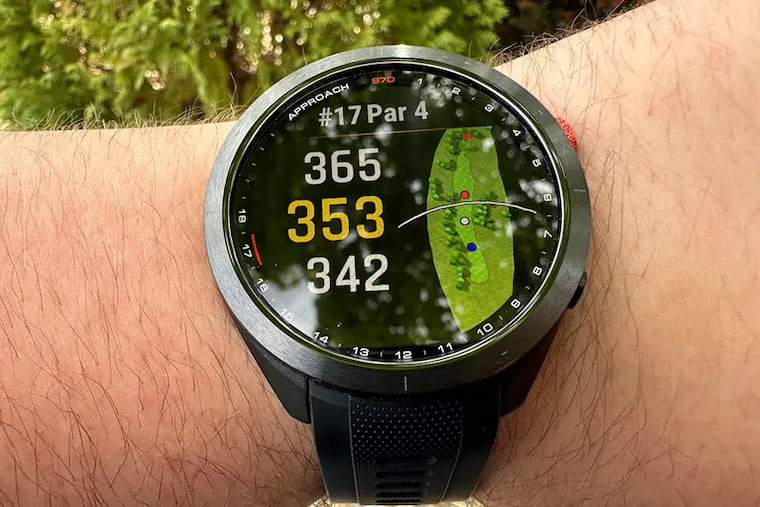
Look for golf watches that display distances to the front, middle, and back of the green. These measurements give you a clearer picture of the target, particularly when the pin sits near the edge. Some watches also show distances to bunkers, water hazards, and other course features, giving you more information before you commit to a shot.
Course mapping deserves attention, too. Check how many courses the golf watch supports and whether it includes the courses you play regularly. If you travel for golf or enjoy trying new layouts, broader course coverage can be useful. You should also check how the manufacturer updates its course maps and whether those updates require a subscription or additional payment.
Think about the information you actually use during a round. If you mainly want reliable distances, a straightforward GPS model may cover your needs. If you enjoy analysing your performance, a watch with shot tracking or detailed statistics could offer more value.
Compare Displays, Controls and Usability
You should be able to check a distance quickly and return your attention to the course. A complicated interface or difficult-to-read screen can become frustrating when you need information between shots.
When comparing golf watches, pay close attention to the display. Screen size, contrast, brightness and text size all affect how easily you can read distances outdoors. A colour screen can make course maps and hazards easier to distinguish, while a simpler display may suit you if you prefer clear numbers without too much visual information.
Touchscreens can feel intuitive, but physical buttons may be easier to operate when your hands are damp or you want to make an adjustment without looking closely at the controls. Some watches combine both options, giving you more flexibility.
It’s worth checking how the watch presents its most important information. Can you see green distances immediately, or do you need to move through several menus? Can you switch between holes without unnecessary steps? A few minutes spent exploring the interface in a shop or watching a product demonstration online can tell you a lot.
Comfort matters just as much. You’ll wear the watch throughout your round, so consider its weight, strap material and fit around your wrist. The strap should feel secure without pinching, and the watch shouldn’t become distracting when you swing.
Look Beyond Basic GPS Distances
Distance readings are useful, but extra features may give you more ways to manage your game. Before paying for them, consider which ones you’ll genuinely use.
Shot tracking can record your shots and help you review your performance over time. Depending on the model, you may need to enter certain details manually or pair the watch with additional sensors. Check how the tracking works before assuming it will record everything automatically.
Scorekeeping is another practical feature. Entering your score directly on your wrist can save you from carrying a separate scorecard, while some golf watches also let you review statistics from previous rounds.
Other features worth comparing include:
- Hazard information: See the distances to bunkers, water and other course obstacles before choosing your approach.
- Green views: Check a more detailed representation of the green on compatible models, which can be useful when planning your shot.
- Performance statistics: Review information such as fairways hit, greens in regulation or putting performance, depending on the watch.
- Smartphone notifications: Receive selected calls or messages without taking your phone out of your bag, if the model supports this.
- Additional sports modes: Track other activities if you want to use the watch away from the golf course, too.
Remember that features vary by model, and some may require a compatible phone, app, sensor or paid service. Check the specifications carefully so you know what comes with the watch and what might cost extra.
Check Battery Life and Course Coverage
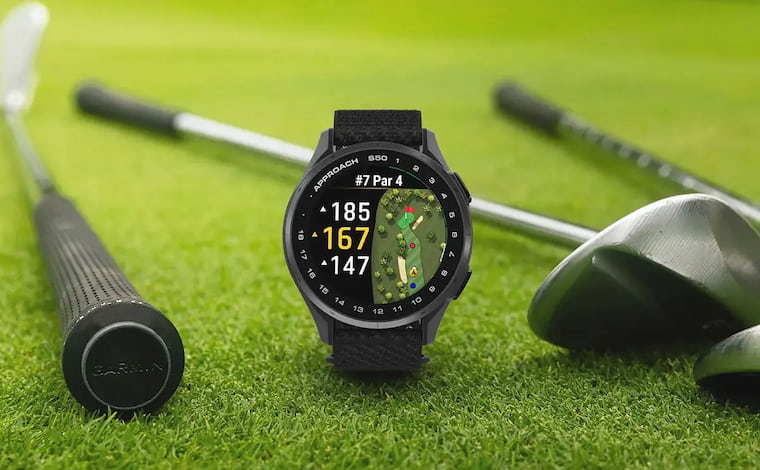
Battery life can affect how conveniently you use your watch, especially if you play long rounds or spend several days at the course. Manufacturers often provide separate battery estimates for everyday smartwatch use and GPS mode, so compare the figures that reflect how you’ll use it.
If you regularly play 18 holes, look for golf GPS watches with enough battery life to cover your round comfortably, with some reserve. Longer battery life can also be helpful if you play consecutive rounds or don’t want to charge your watch after every outing.
Check how long the watch takes to recharge, whether it uses a proprietary cable and how easy it is to replace or obtain that cable if necessary. A charging setup that fits your routine will make regular use simpler.
Before purchasing, confirm that the watch supports your home course and any other layouts you visit frequently. If you play internationally, check coverage in those destinations rather than assuming every course will appear automatically.
Balance Price, Comfort, and Long-Term Use
Set a budget before comparing golf GPS watches, then focus on the features that matter most to you. A more expensive watch may offer detailed maps, advanced tracking, or a wider range of functions, but those extras won’t necessarily improve your experience if you rarely use them.
For a straightforward buying decision, compare the following:
- Essential features: Make sure the watch provides the distances and course information you need.
- Ease of use: Look for a clear display and controls that feel intuitive.
- Running costs: Check for subscriptions, paid upgrades or accessories you may need to purchase separately.
- Durability: Review the manufacturer’s information about water resistance, construction and care.
- Warranty and support: Understand the warranty terms and how to access help if you encounter a problem.
Read customer reviews with a specific purpose in mind. Comments about GPS accuracy, battery performance, screen readability and comfort can help you identify practical strengths and drawbacks. Give more weight to feedback that discusses how the watch performs during actual rounds than to vague praise about its appearance.
Consider how often you’ll use the watch, too. If you play regularly, reliable GPS performance and comfortable wear may justify spending more on a model that suits your routine. If you play occasionally, a simpler option could provide everything you need without paying for features that will go unused.