





Home & Garden
Cook Like a Pro: The Ultimate Guide to Choosing the Perfect Frypan for Your Kitchen

After a long day at work, no one wants to spend hours in the kitchen cooking, and with the right tools, you don’t have to. The type of cookware you use to make your meals can heavily affect the speed with which you cook, the taste of your meal, and the dish load you’ll have after you’re done.
Frypans are one of the best cooking tools to have in your kitchen. They are accessible, easy to use, and perfect for a variety of cooking techniques. However, pans come in a wide range of sizes, types, and designs, making choosing the right one overwhelming.
Since the flavour of your food and your overall cooking experience heavily depend on these features, it’s important to understand the characteristics and uses of a frypan. Let’s explore the ways buying a frypan can enhance your cooking skills, as well as how to choose the right one for your experience level and cooking needs.
Why Choosing the Right Frypan Matters
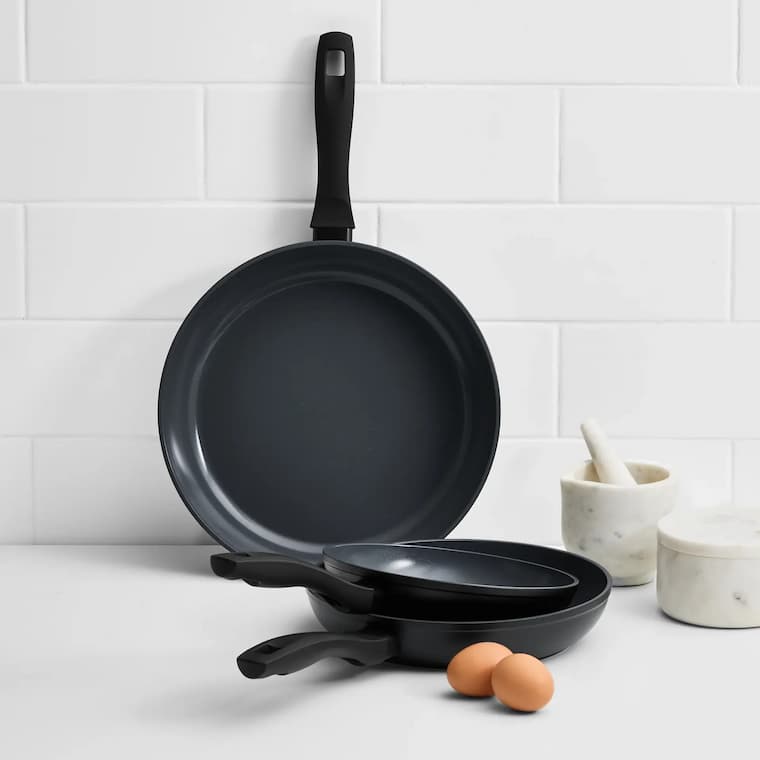
Each cooking style has its own unique requirements. For searing your meats, you need a pan that can retain high heat, for frying, you need a non-stick option that will excel at making perfectly crispy snacks, for braising, you need something that can cook food evenly for a long time, and so on. Although all these cooking methods can be achieved with the use of a single frypan, each requires a specific type to successfully achieve the ideal result.
The type and size of your pan also significantly affect the speed at which it heats up and how well it retains heat. Delicate cooking tasks require even heat, while bold frying journeys are best done with high heat for bolder flavours.
Materials to Consider
Here is a list of materials for pans that can help you decide which options fit your needs.
- Stainless Steel: Stainless steel is the most popular material choice for high-quality pans. It allows even heat distribution, ensuring there are no metallic tastes in your food.
- Copper: For chefs, copper is regarded as the best choice when it comes to thermal conductivity. They heat up and cool down quickly, allowing you to easily control the temperature at which you cook.
- Non-stick: Great for beginners, and for everyone who doesn’t like spending their free time doing dishes, non-stick pans are easy to clean and perfect for those who like to cook with less fat. They are great when it comes to cooking delicate and healthy meals such as eggs, fish, meats, etc.
- Cast Iron: This popular material for pots and pans is perfect for cooking food for longer periods of time at even temperatures. However, it’s quite heavy and prone to rust.
- Aluminium: Light-weight and known for their excellent heat-conducting properties, aluminium pans are affordable and easy to use for both beginners and professionals.
Features to Look for in Frypans
A great frying pan can truly transform your cooking experience. This is why you need to thoroughly examine the characteristics of a pan before purchasing. Here is a list of features to consider:
- Material and Coating: Carefully consider your skill level and cooking needs before purchasing. Some materials are harder to work with and care for than others; that’s why you shouldn’t buy a pan made of a material you can’t handle.
- Size: Pans are available in various sizes. 8-inch pans are great for cooking for one. 10-inch ones are versatile and perfect for making lunch, while 12-inch options are ideal for cooking larger portions.
- Handles: The handle on your pan carries a bigger role than you might think. An ergonomic handle can transform your cooking experience, prevent unwanted burns, and elevate your cooking comfort.
- Weight: Heavier frypans retain heat better, but are harder to work with for beginners. On the other hand, lightweight pans are easy to use, but tend to heat unevenly.
- Cooktop Compatibility. If you own an induction cooktop, then you need a pan with a magnetic base. While most frying pans are compatible with electric and gas stove tops.
Pro Tips for Cooking Like a Chef with Your Frypan
The meal you make with a new pan is truly an experience like no other, and we want you to get a perfect meal from the get-go. Here are some practical tips to have in mind when you’re cooking with your new frypan.
- Constant Heat: Try to maintain constant heat. Do not switch to a different heat setting unless the recipe requires it. This way, you get an evenly cooked meal without burning it.
- Don’t Overcrowd: This is the first general rule in cooking with a frypan. Don’t try to fit more food than the pan can handle. Fry your food in batches if it’s truly necessary.
- Rest After Frying: After you’re done frying your food, don’t serve it straight away. Let it sit aside for a few minutes. Let the food absorb and redistribute the juices to prevent sogginess.
- Let the Pan Heat Up: Preheat the pan and oil before throwing in your food. This ensures the food is perfectly moist and doesn’t get soggy from sitting in oil.
Summary
To sum up, frypans are a great addition to your kitchen if you enjoy a fast-cooked, tasty meal. They are an essential item for every home and professional kitchen and a great tool for beginners. Whether you’re just starting your cooking journey or you’re an experienced professional, a high-quality frypan can elevate your cooking journey and improve your skills. For fast-cooked, easy meals, a pan is always the way to go.