

Home & Garden
From Size to Style: Choosing the Perfect Freestanding Bathtub

A freestanding bathtub can transform an ordinary bathroom into a space that feels considered, elegant and inviting. Its sculptural shape gives the room a natural centrepiece, while a deep, comfortable bath creates an opportunity to slow down at the end of the day. Before choosing one, though, it pays to look beyond appearance. Size, installation, materials and comfort all matter.
Things to Consider when Buying
Bathroom Space
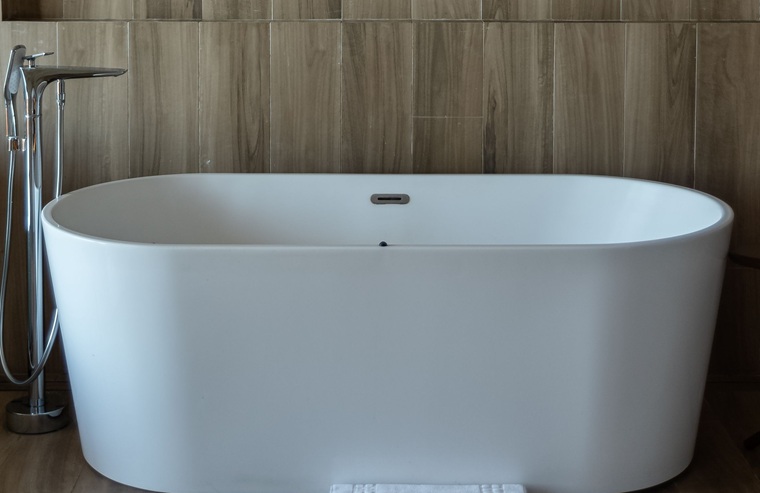
The first thing to do is see how much bathroom space you have available. Stand-alone baths need space around them. Start by measuring the space you intend to place the bathtub and consider leaving a clearance on each side. See if you can easily move around it and access fixtures.
Choosing the right proportions is just as important as measuring the available floor area. A large bathroom can accommodate a 1700 mm or 1800 mm design. A compact bathroom, on the other hand, will look better with a smaller model. Choosing a smaller bath does not mean sacrificing style. Having well-proportioned freestanding bathtubs can create a sense of luxury without overwhelming the space.
Choose the Right Size and Shape
The bathtub’s size will affect how the bathroom looks and feels. Consider the bath’s length, width and depth, and who will use it. If you’re looking for something meant for long relaxing soaks, you need a deeper tub with dimensions that fit the bathroom.
Shape is another important consideration. A tub with soft curves creates a gentle, elegant look. Clean lines go better with a more modern, contemporary interior. Each shape gives the bathroom a different personality, and which one you choose depends on the existing design.
Materials and Construction
The material the bath is made of will influence its weight, durability, and maintenance. Many of the newer models are made of sanitary-grade acrylic that gives them a smooth and practical finish. Some designs are even reinforced with fibreglass and have double-wall construction to retain heat. Take a good look at the specifications before buying. If you can’t decide or need some advice on cleaning and maintenance, talk to the seller; they’ll know how to help you.
Don’t Forget Plumbing and Installation
It doesn’t matter how beautiful the bathtub is if it doesn’t have the proper foundation. Check the position of existing plumbing and discuss installation with a qualified professional before making a final decision. Tap placements, waste connections and floor access will influence the tub’s positioning.
Before bringing the tub into the house, consider its weight and water capacity. The floor should be able to support the weight and installation, especially with bigger designs. Planning these things prevents unpleasant surprises later.
Consider Comfort and Everyday Use
Besides being practical, the bathtub is meant to be enjoyed. So, paying attention to comfort is as important as appearance. Think about the shape of the backrest, the internal dimensions and how easy it is to get in and out. If several people will use the bathroom, choose a design that works comfortably for everyone. How will you use it? Will you have any bath accessories? People often buy a bath caddy that’s practical to have but will also add a nice finishing touch without overcrowding the space.
Benefits of Having a Freestanding Bathtub
Strong Bathroom Focal Point
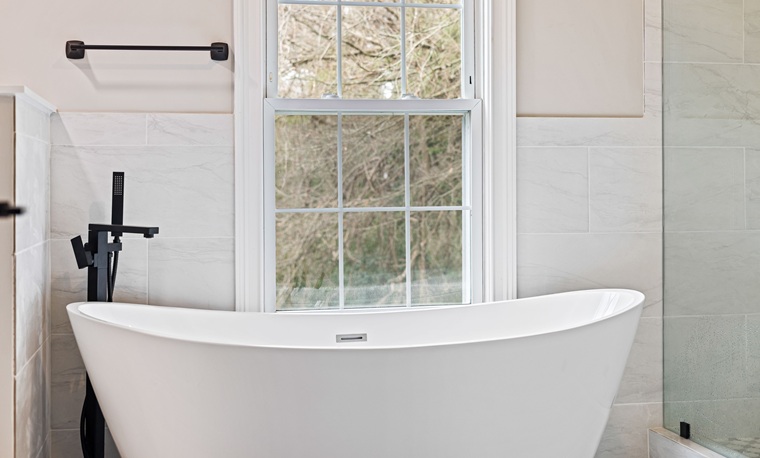
One of the biggest advantages of freestanding bathtubs is their visual impact. This type of design stands out proudly inside the room. Its shape, finish and proportions become part of the overall interior design and allow you to express your style through the bathroom.
A softly curved white bath can create a classic, sophisticated feel, and a bold black or matte finish can give a contemporary bathroom more character. Fluted textures are great for adding more visual interest. There’s a wide variety of designs to choose from; you won’t have to look far and wide to find a model that matches your preferences.
Make the Bathroom Feel More Open
A freestanding tub can give the impression of bigger space because you can see around it. The open area around the tub creates a lighter visual effect than a bulky built-in bathtub. There’s also more flexibility when it comes to placement. Instead of being glued to one wall, the bath can become a deliberate feature inside the room. This is, of course, if the plumbing and space allow it.
Plenty of Design Flexibility
These baths come in a wide variety of shapes, sizes, materials, colours and finishes. This makes it very easy to find a tub that matches your bathroom. A simple white gloss finish can work beautifully in a timeless interior, while matte, black, grey or textured options can create a stronger statement.
You can style the whole bathroom to complement the bath. For example, pair it with the tapware, a wooden bath caddy and add some greenery and soft towels. These details will create a cohesive look without making the bathroom look cluttered.
They Turn Bathing into an Experience
Stepping into a beautiful bath at the end of a long day can feel wonderfully relaxing. A freestanding design will make the whole ritual feel more special, especially when paired with warm lighting, candles and a few carefully chosen accessories. The bath becomes more than a fixture. It creates a dedicated place to pause, relax and enjoy some quiet time at home.
In Summary
Choosing a freestanding bath is about balancing practical details with personal style. Start by measuring the room, checking installation requirements and finding a size and shape that feels comfortable. From there, you can choose a finish and design that gives the bathroom its own personality. The result can be a beautiful, relaxing space where the bath feels like more than a fixture.